
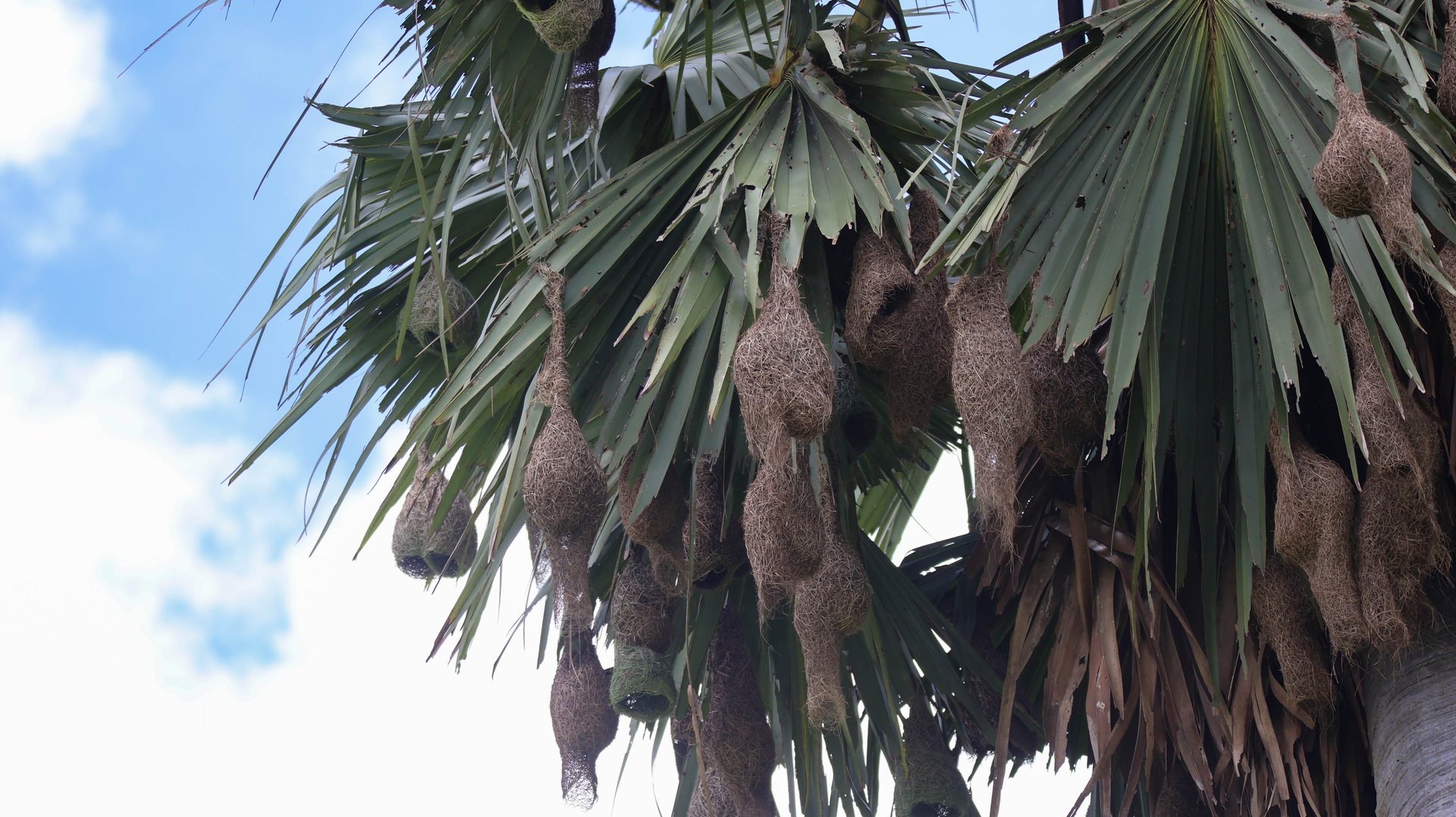
Community of Weavers — Life in a Baya Weaver Colony
A Neighbourhood Built in the Treetops**
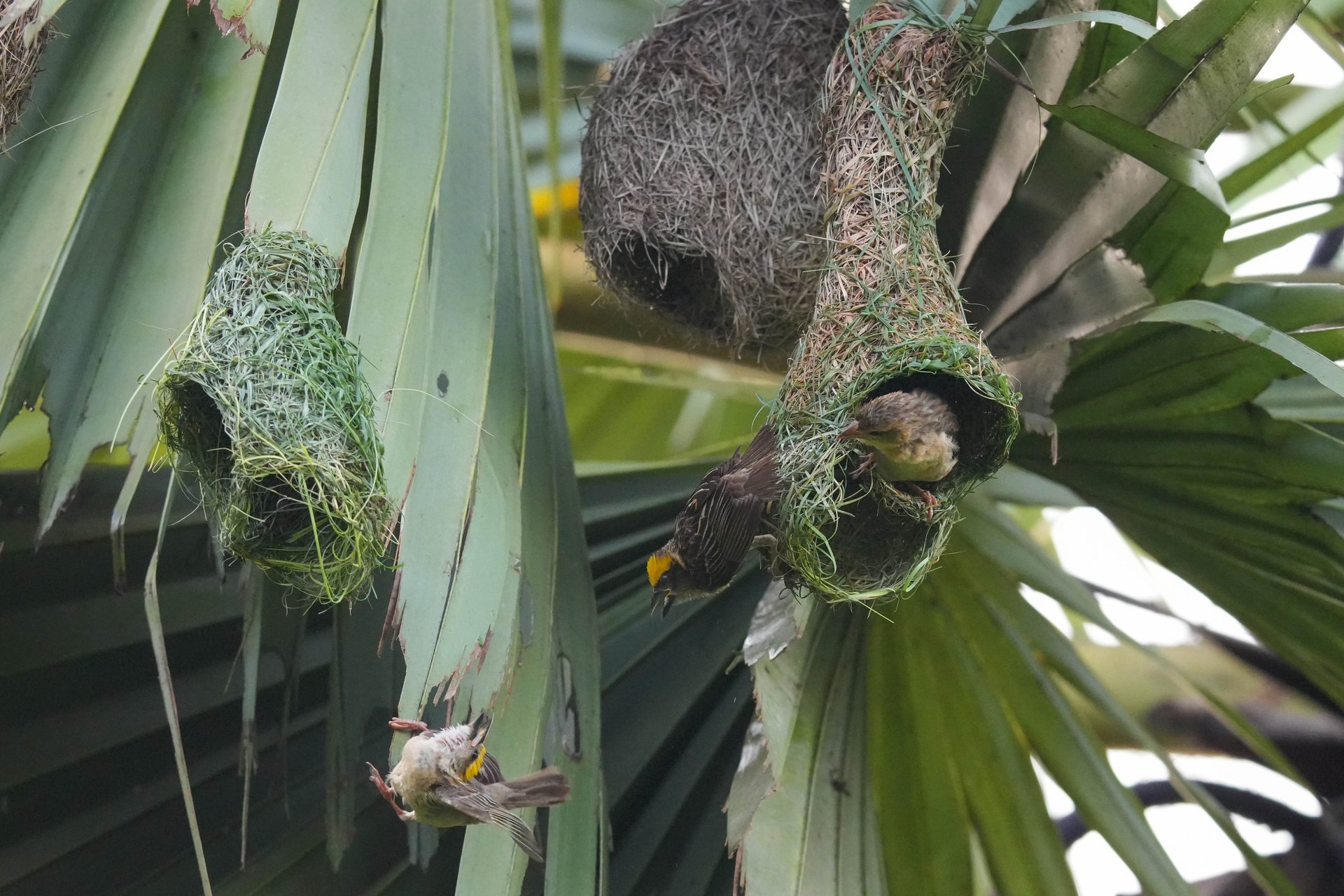
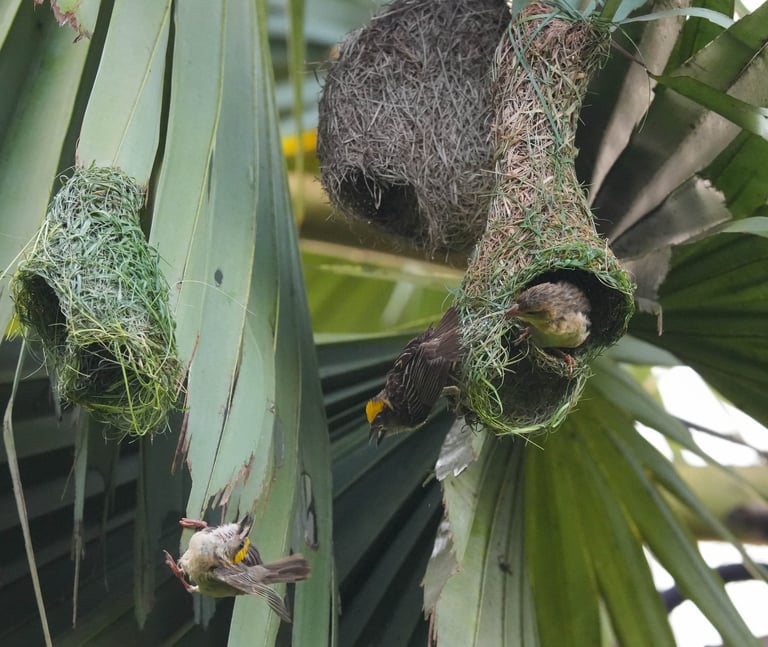
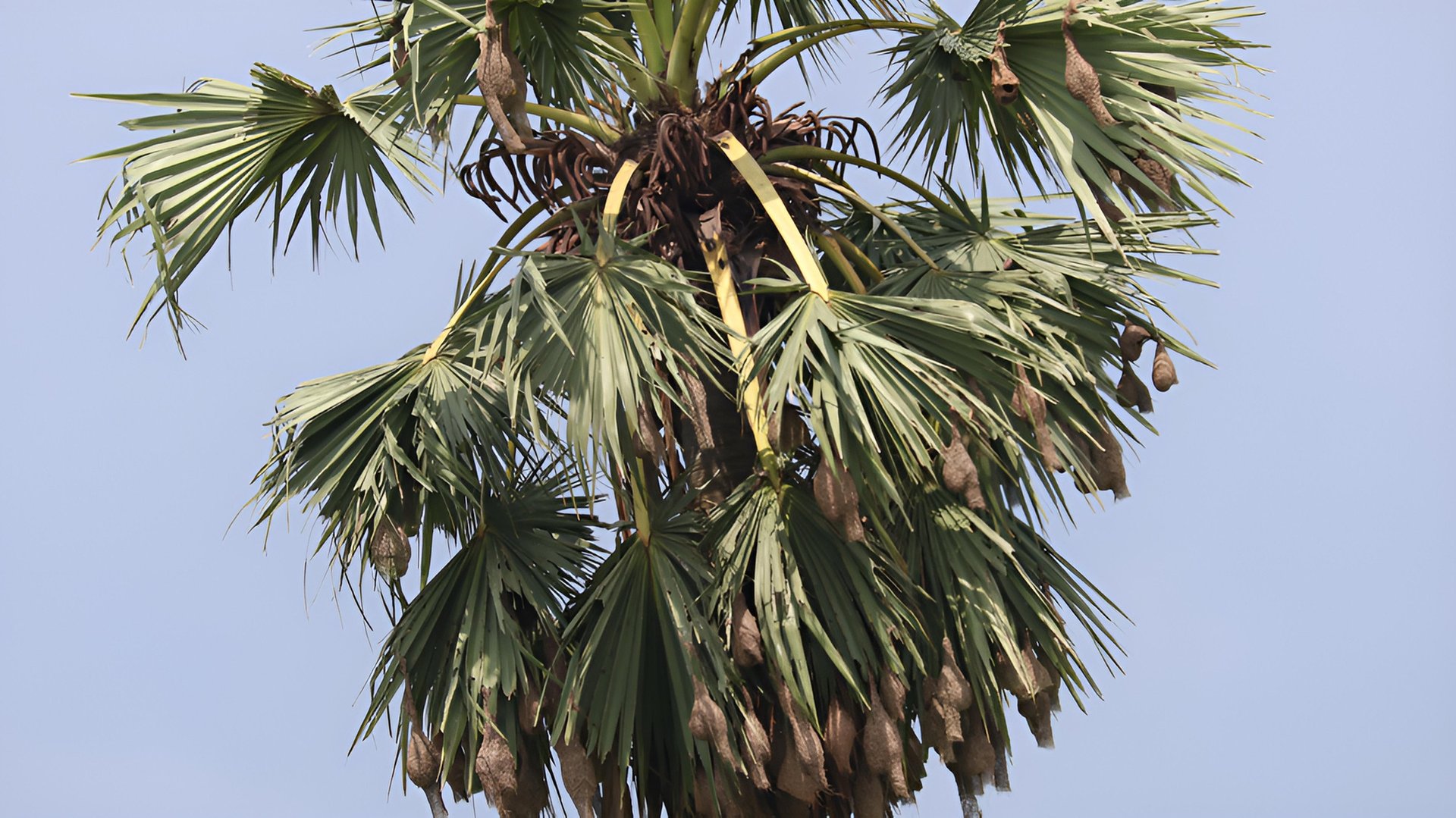
Baya Weavers rarely live alone — they build their homes in colonies that function like miniature villages in the treetops. Each colony can hold anywhere from 5 to over 50 nests, depending on food availability and habitat conditions.
Living in a group gives them major advantages:
• More security from predators like crows and snakes
• Better communication during danger
• Shared learning, especially for young males watching experts build
A Baya Weaver colony is a perfect example of community life, cooperation, and the instinctive desire to protect one another.
Life in a Weaver Colony
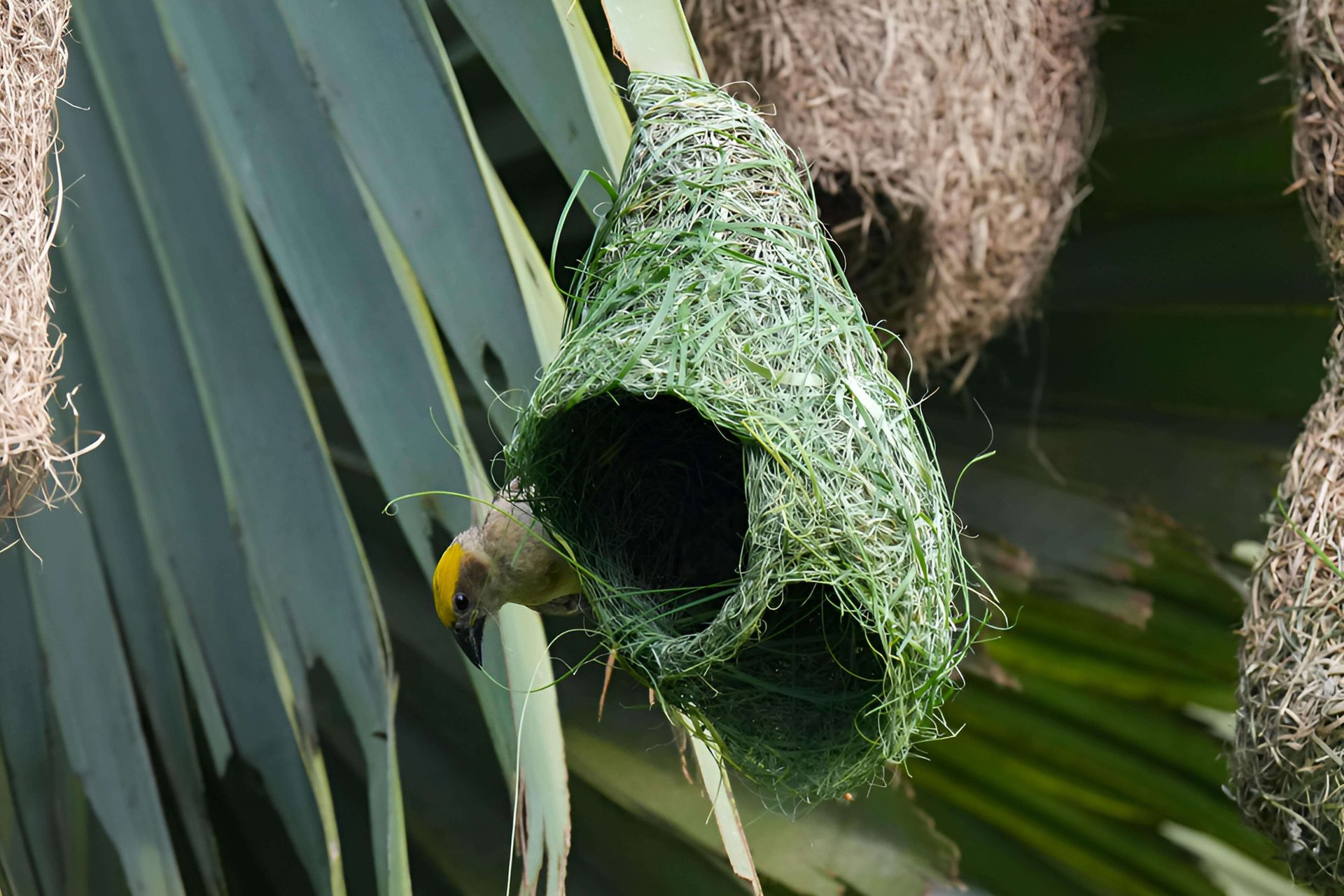
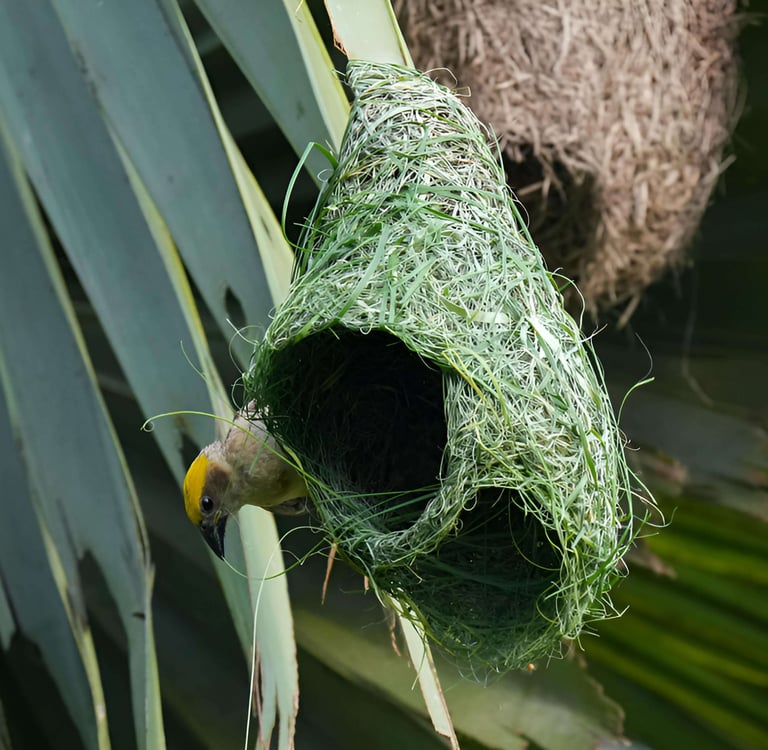
Male Baya Weavers are among nature’s most skilled architects. Using only their beaks, they loop, twist, and knot long grass strands into strong, weather-proof homes.
Their building process includes:
• Choosing a safe branch
• Creating the initial ring
• Forming the chamber
• Strengthening the base
• Designing the iconic entrance tunnel
A male may build several trial nests before a female approves one. If she rejects it, he starts again — proof that even in wildlife, quality matters.
Every nest is a blend of instinct, patience, and artistic skill.
The Master Builders
Over the last few years, many colonies have faced increasing pressure from human activity. Urbanisation, loss of grasslands, pesticide use, and unpredictable rainfall affect where and how the weavers build their ne
My long-term field observations show:
• Colonies moving away from traditional areas
• Fewer nesting trees due to land clearing
• Reduced availability of fresh grass
• Weather patterns shifting breeding cycles
Despite these challenges, the Baya Weaver continues to adapt and rebuild. Their resilience reminds us how connected we are to nature — and how essential it is to protect the ecosystems that sustain all life.
Just as the Baya Weavers weave their homes with care and dedication, we must protect our shared home — Earth. Their tiny woven nests carry a powerful message: protecting nature ultimately means protecting ourselves.
Survival, Threats & Changing Habitat